Dirt Is Good for Children’s Health, Study Finds
Kids who play in dirt and grass have stronger immune systems.
By: Elizabeth Lawrence | June 1, 2026 | 581 Words
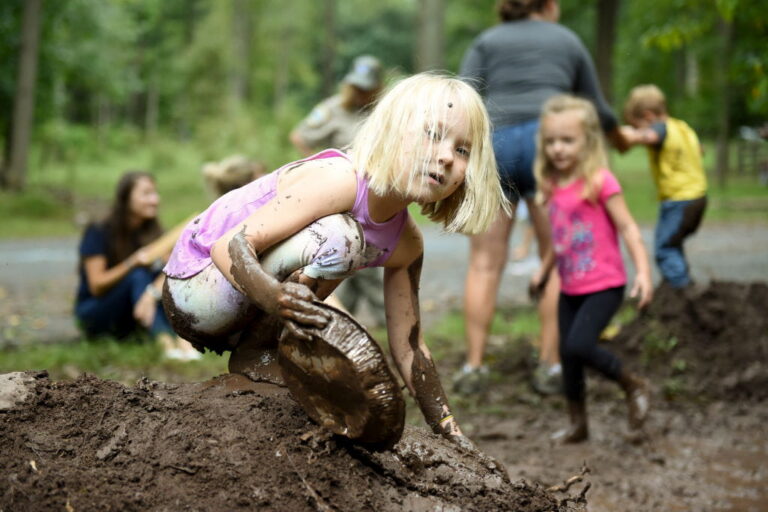
(Photo By Lauren A. Little/MediaNews Group/Reading Eagle via Getty Images)
Ever since the global pandemic – and perhaps a bit before – people around the world have become somewhat obsessed with disinfecting every surface and keeping oh-so-scary germs at bay. But what if getting some dirt under our fingernails is just what the doctor ordered?
In what is believed to be a first-of-its-kind experiment, researchers in Finland “rewilded” daycare playgrounds, covering them in dirt and grass taken from natural forests. Then, they let the kids play in it – and what they found would make even the most hygiene-focused mom’s COVID mask drop.
The Finnish Study Finds Kids Need Dirt
The two-year Finnish study examined how nature affects the germs living in children’s mouths, guts, and skin. Seventy-five children between the ages of three and five took part in the experiment, which was held at ten city daycare centers. As the participating children played in the grass and dirt, researchers took samples of their blood to inspect their immune responses and compared the results to the blood of children who played on asphalt, gravel, and plastic.
One year after the study began, the children who played in the “rewilded” playgrounds were found to have healthier skin bacteria and stronger immune systems. Their gut bacteria also improved, showing fewer harmful strains linked to bowel disease and serious infections.
Additionally, the study found more cells that help defend the body against autoimmune diseases. According to related research, children’s immune systems showed improvement after just two weeks of playing in a mixture of sand and dirt.
The Benefits of Dirt
The benefits of playing in the dirt go beyond building stronger immune systems and improving gut health. Over the last twenty years, much of childhood has been moved inside, with the average American kid spending just half an hour playing outdoors, according to the National Wildlife Federation (NWF). At the same time, childhood obesity rates have soared and children are reporting more anxiety and depression than ever before.
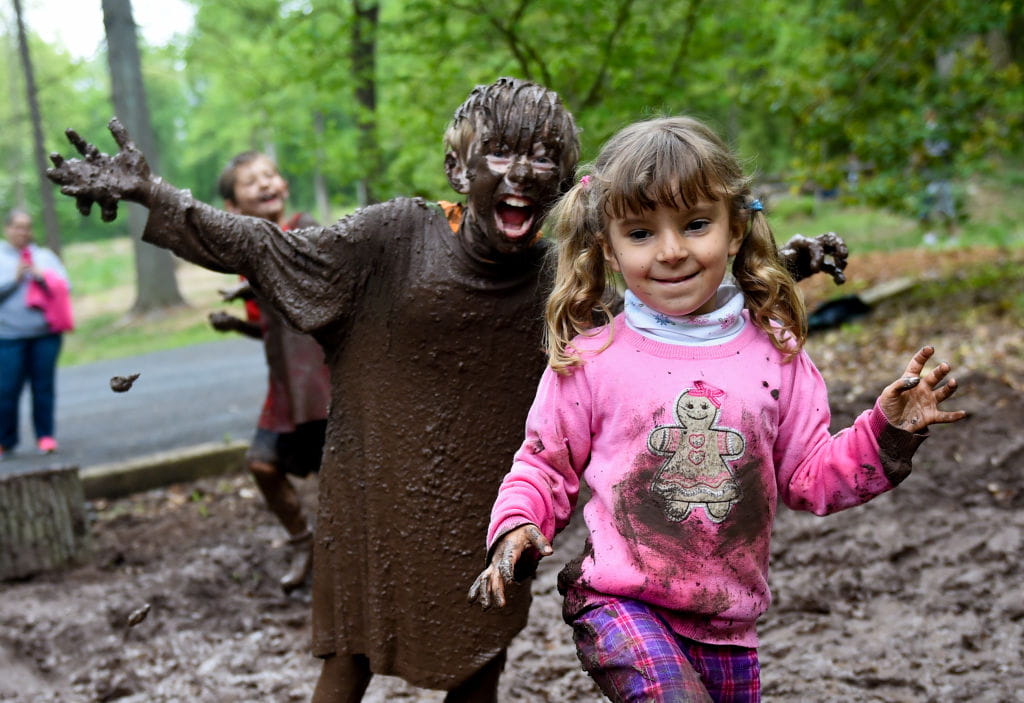
(Photo By Natalie Kolb/MediaNews Group/Reading Eagle via Getty Images)
Research shows that “simply having contact with dirt, whether it’s through gardening, digging holes, or making pies out of mud, can significantly improve a child’s mood and reduce anxiety and stress.” Plus, playing in the dirt helps children develop sensory skills, be creative, use their imaginations, learn on their own, and work with others.
Playing outside is also known to improve sleep, as many American children suffer from chronic sleep deprivation triggered by excessive electronic entertainment. “Nature has a way of comforting children. It can take away stress and be a haven for kids who are otherwise feeling the pressures of school, family, and social demands. Research has found that children who suffer from attention deficit hyperactivity disorder (ADHD) get significant relief from their symptoms and are able to concentrate better if they spend some time outdoors,” NWF reported.
The world may be obsessed with staying clean, donning face masks in crowded areas and offering hand sanitizer on every corner, but research suggests too much cleanliness could actually work against us. When it comes to helping children become the best versions of themselves, it’s easy to see why researchers recommend ditching clean time for more green time.

- A first-of-its-kind study in Finland “rewilded” daycare playgrounds by covering them in grass and dirt.
- Researchers found that the grass and dirt improved children’s immune systems and gut health.
- Playing in dirt also helps children develop sensory skills and creativity.