Zebras – Strong, Resilient, and Social Animals
These horse-like mammals can reach speeds of more than 24 miles per hour.
By: Kirsten Brooker | February 5, 2026 | 859 Words
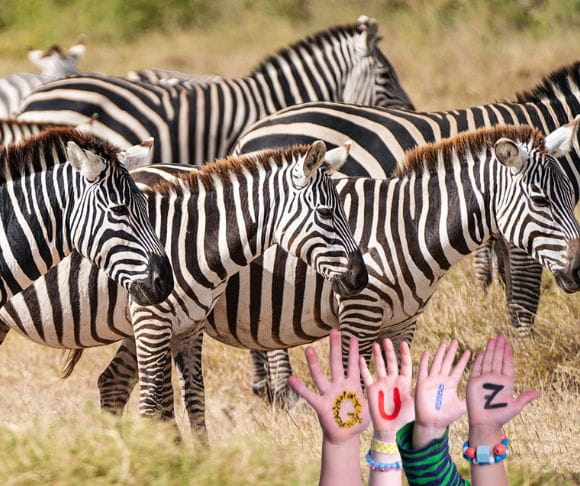
(Photo by Li Yahui/Xinhua via Getty Images)
A horse with stripes? Sounds fantastical, but zebras are real, though the black stripes continue to baffle scientists. There are some differences between zebras and horses, but basic similarities, too. They are both members of the Equidae family, have long necks and heads, can run at high rates of speed, are hooved animals (ungulates), have manes down their backs, and are approximately the same size. But those stripes. What are they all about?
The Evolution of Zebras
Zebras, along with their Equidae family members, are believed to share ancestry with the Eohippus, which roamed the earth 52 million years ago. A jungle animal, Eohippus resembled a fox. While it had five toes, the prominent middle toe was used to run from potential predators. Over time, the other digits slowly disappeared, and the animal grew longer legs, got larger in size, and formed teeth that would help with grazing. The evolving mammal took on several names as it changed, eventually becoming known as a Donohippus, comparable to a modern-day horse. From there, three types of animals we know today, horses, wild horses, and zebras (donkeys), developed.
There are three types: Grévy’s zebra, Mountain zebra, and Plains zebra. Each inhabits a different part of Africa and has its own set of characteristics.
The Grévy’s zebra (Equis grevyi) lives in the semi-arid grasslands of Kenya, Somalia, and Ethiopia. It also goes by the name of imperial zebra, perhaps because it is the largest of the species. These have narrower stripes than the other species, their underbellies are all white, and they are easily identified by their large round ears.
The Mountain zebra (Equus zebra) has two subspecies – the Cape Mountain zebra lives in South Africa and the Hartmann’s mountain zebra lives in southwestern Angola and Namibia in mountains, grasslands, and woodland habitats. Mountain zebra’s stripes and underbellies are the same as Grévy’s.
The Plains zebra (Equus quagga) is the most common, and it spends its time in the grasslands and savannah woodlands of East and South Africa.
Stripes and Hooves
Zebras are large mammals, weighing from 386 to 992 pounds and measuring from 6 to 9 feet in length. Their most prominent feature is the black and white stripes that cover their bodies. Each zebra has a unique stripe design. The herd can recognize others based on specific stripe formation. For many years, scientists believed the stripes were a form of camouflage, but later they learned that they repel flies. A zebra’s skin is black, so the black with white stripes or white with black stripes conundrum is officially solved.
 All species of zebra have just one toe on each foot that is protected by strong hooves. Like horses, zebras have a mane that runs from their foreheads to their tail and the ability to run at high speeds (more than 24 miles per hour), allowing them to speed away from potential predators.
Zebras are social animals, living in large herds, which is another way to avoid being attacked by predators. The animals are affectionate and can often be seen grooming each other with their teeth. On the other hand, during breeding season, the animals can be rather fierce. To win the attention of a female, the males will fight other dominant males by kicking and biting. The winner gets the chance to breed with the female.
Females can breed after they are three or so years old. Their pregnancy lasts between 10 and 12 months, and they give birth to a single foal, which is born with its stripes, mane, and a small patch of hair on its belly. Foals can walk within minutes of birth and are weaned at 11 months. The baby zebras stay with their mothers until they are about three years old. At that time, the males break off into an all- male herd, and the females continue tagging along with their mothers.
What Do Zebras Eat and What Eats Zebras?
Zebras are herbivores and prefer to eat grasses, leaves, and buds. Their strong front teeth help to break up the grass before their back molars grind it down. Grass, which is very low in nutritional value, makes up 90% of their diet, so they spend the better part of each day grazing. Zebras often live in dry, arid places, but they can go long stints without water, up to days at a time.
Several powerful animals attempt to make zebras a meal. Carnivorous animals such as large cats, alligators, hyenas, and wild dogs are all predators. While zebras are strong and capable of fighting off some predators, their first instinct is to run. They alert the herd that danger is lurking, and the herd begins a full sprint, often disorienting their attackers and sometimes making a clean getaway. Another threat is humans. Hunting and deforestation are rapidly reducing the zebra population.
Zebras are remarkable, strong, and powerful animals whose distinctive stripes, strong social bonds, and impressive physical abilities make them standouts in the animal kingdom.

- Zebras live in the mountains, grasslands, and woodlands of Africa.
- Zebras have black skin with stripes of black and white hair on their bodies.
- Up to 90% of a zebra’s diet is grass.