Otters – Playful Mammals and Great Swimmers
There are 13 different species across the globe.
By: Kirsten Brooker | September 4, 2025 | 811 Words

(Photo by Daniel Knighton/Getty Images)
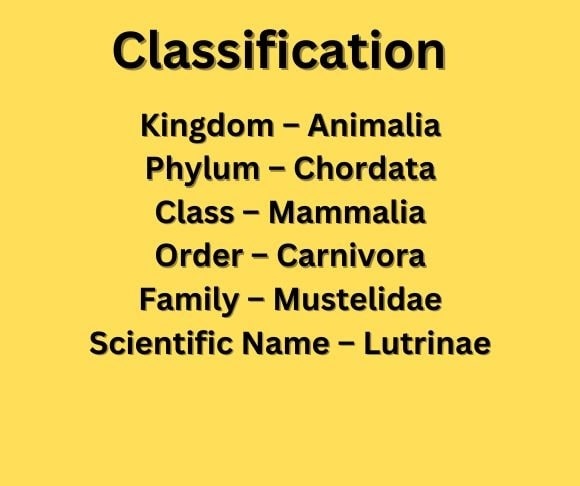
Thirteen different species of otters are globally recognized. Each species is part of the Lutrinae subfamily, a branch of the Mustelidae (weasel) family. An otter’s characteristics vary based on the mammal’s species. However, every type of otter is known to be playful, spirited, charismatic, and family-oriented.
The 13 Different Species of Otter
Otter species can vary greatly. At the same time, they also share many similarities. Let’s quickly explore them.
- Eurasian otter (Lutra lutra) – a semiaquatic (can live on both land and water) otter native to Eurasia and Southeast Asia. This eats mainly fish and can be very territorial.
- Hairy-nosed otter (Lutra sumatrana) – also semiaquatic and lives in Southeast Asia. It is one of the rarest species of otter in the world.
- Spotted-neck otter (Hydrictis maculicollis) – native to sub-Saharan Africa and recognized for the spotted fur on its neck.
- Smooth-coated otter (Lutrogale perspicillata) – a freshwater mammal that can be found in South, Southeast, and Southwest Asia.
- North American river otter (Lontra canadensis) – this species can be found throughout North America and prefers freshwater habitats.
- Southern river otter (Lontra provocax) – a medium-sized otter that lives in much of the Patagonia region.
- Neotropical otter (Lontra longicaudis) – a near-threatened species that inhabits the fresh waters of Mexico, Central America, South America, and the islands of Trinidad.
- Marine otter (Lontra felina) – known as the “feline otter” or “marine cat,” this species of otter prefers saltwater habitats.
- Giant otter (Pteronura brasiliensis) – the largest otter species that lives in South America.
- African clawless otter (Aonyx capensis) – the second-largest freshwater otter known for its clawless feet.
- Asian small-clawed otter (Aonyx cinereus) – native to South and Southeast Asia, with claws that do not extend past the pads on its feet.
- Congo clawless otter (Aonyx congicus) – once recognized as a subspecies of the African clawless otter and lives in tropical swamps, forests, and shrublands.
- Sea otter (Enhydra lutris) – native to the northern and eastern coasts of the North Pacific Ocean and has a highly dense coat of fur.
Behavior of Otters
Otters are extremely playful and charismatic creatures. They use their surroundings to find ways to play, like sliding down banks into rivers and floating on their backs in groups known as rafts. Otters are family-oriented animals. A mother and her cubs spend all their time together. They can be seen holding hands while napping on the surface of the water. They do this to avoid drifting apart during their afternoon slumber.
 Otters are great swimmers. Equipped with webbed feet, powerful tails, and short, strong arms and legs, they can reach speeds in the water of up to seven miles per hour.
River otters are known for performing skat dances. Before leaving droppings called “spraints,” the otter will stomp its hind feet and raise its tail. Otter poop has been described by researchers as smelling like violets. All otters in an area share a latrine where they exchange information through chemicals present in each other’s feces.
Mother otters have quite a to-do list. Approximately 14 hours per day are spent foraging for food to support the insatiable needs of a baby otter. A mother otter’s work is done on her own; it is not common for the father otter to hang around after mating. She will take complete care of the babies until they are around six to eight months old, or until they can be independent.
Small Animal – Big Appetite
Certain otters can eat up to 25% of their body weight every day. Being carnivorous mammals, they prefer to feed on fish, frogs, crayfish, and crabs. The diet varies throughout the different species of otters. Some prefer to eat birds and small mammals. Food preferences are dependent on the areas in which they live and the type of water they prefer.
Predators
 Unfortunately for otters, many other animals see them as a meal. In salt water, sharks and other large marine animals will prey on them for food. In fresh water, coyotes and other large land animals will hunt them. Humans are at the top of the list of otter hunters. For years, otters have been valued for their thick fur and to prevent them from eating the fish and other animals that humans need for food.
The abundant presence of otters in any location indicates that the waters are disease-free and likely abundant with other marine life. Otters disappear from an area when the waters are too polluted and unhealthy.
To help keep otters safe, here are a few tips: Pick up litter, refrain from flushing hazardous materials, and use native plants in landscaping.

- There are 13 different species of otters.
- While each species has different qualities, every type of otter is known to be playful, spirited, charismatic, and family-oriented.
- Being carnivorous mammals, otters feed on fish, frogs, crayfish, and crabs, and some prefer to eat birds and small mammals.
Test Your Knowledge – Take the Quiz