New Jersey – Crossroads of the American Revolution
It was the third state to ratify the US Constitution.
By: Kirsten Brooker | August 24, 2026 | 593 Words
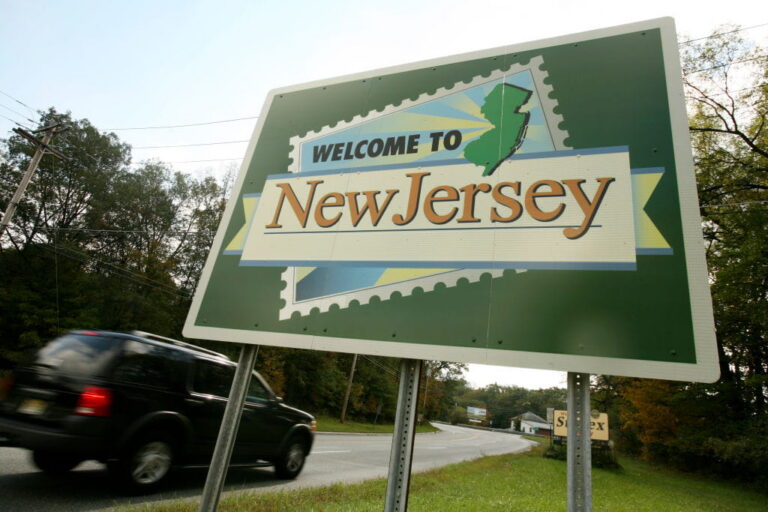
(Photo by Najlah Feanny/Corbis via Getty Images)
How would you like to visit the place where the first complete dinosaur skeleton was discovered or where the world’s tallest roller coaster lives? If either one of those things sounds intriguing, then you need to check out New Jersey, the third state in the Union and one of the original thirteen colonies. It is the fourth smallest state in the country, but it’s ranked 11th in population, making it the most densely populated state by square mile. Every county in the state is classified as urban, but that does not mean it lacks beautiful landscapes like forests, bogs, wetlands, and coastlines.
The Colonial Days
Before the Dutch arrived in what is now New Jersey, the land was occupied by the Lenape Tribe, who farmed maize (what we call corn). The Dutch arrived in the early 17th century and began trading fur with the Lenape. On June 24, 1664, the entire region became a territory of England and remained loyal to the British crown for years to come.
Its fertile lands and tolerant religious policies attracted settlers, and the population grew by 120,000 by 1775. For 28 years, between 1674 and 1702, New Jersey was governed as two separate provinces, East and West Jersey. In 1702, Edward Hyde, also known as Lord Cornbury, reunited the two colonies into one. It remained one colony under British rule until the Revolutionary War began in 1775, when it became one of the thirteen colonies to revolt against the British.
The Revolutionary War Times
During the Revolutionary War, more than 90 battles were fought on New Jersey land. Several game-changing battles in Trenton, Princeton, and Monmouth earned the state the nickname the “Crossroads of the American Revolution.” New Jersey became the third state to ratify the United States Constitution on December 18, 1787. And nearly two years later, on November 20, 1789, it was the first state to ratify the Bill of Rights.
The 19th and 20th Centuries
Though they were the last state in the North to abolish new slavery, on February 15, 1804, New Jersey started a gradual decrease in the number of existing slaves by enacting legislation that would eventually eliminate the practice altogether.
 The Industrial Revolution in the early 19th century brought about change and growth in the state. Inventor Thomas Edison helped that along by successfully patenting 1,093 inventions, many of which were developed while working in New Jersey.
Iron and Zinc mining were also profitable endeavors for the state during that time. The New Jersey Pine Barrens were a great source of iron, as was the Sterling Hill mine for Zinc.
The Roaring Twenties were a good time for New Jersey. The first-ever Miss America pageant as well as the first drive-in movie theater found their homes there in that decade. In the 1930s, during the Great Depression, New Jersey offered begging licenses to people without jobs.
During World War II, New Jersey was home to Camp Kilmer, which eventually became the largest processing center for troops being sent overseas and for the soldiers returning home during the war. All in all, the military camp processed over 2.5 million soldiers.
Modern New Jersey
One of the most significant events in New Jersey’s 21st century was the 9/11 attacks on the World Trade Center in Manhattan. While no structures were hit in the state, about 700 New Jersey residents died as a result of the attack. The onslaught of people changed the economic landscape in the state due to the evacuees’ need for jobs and homes.
Today, New Jersey is a prosperous place to live. It is ranked high in safety, health, education, income, and overall quality of life.