Celebrate National Name Yourself Day
By: Kirsten Brooker | April 9, 2026 | 826 Words
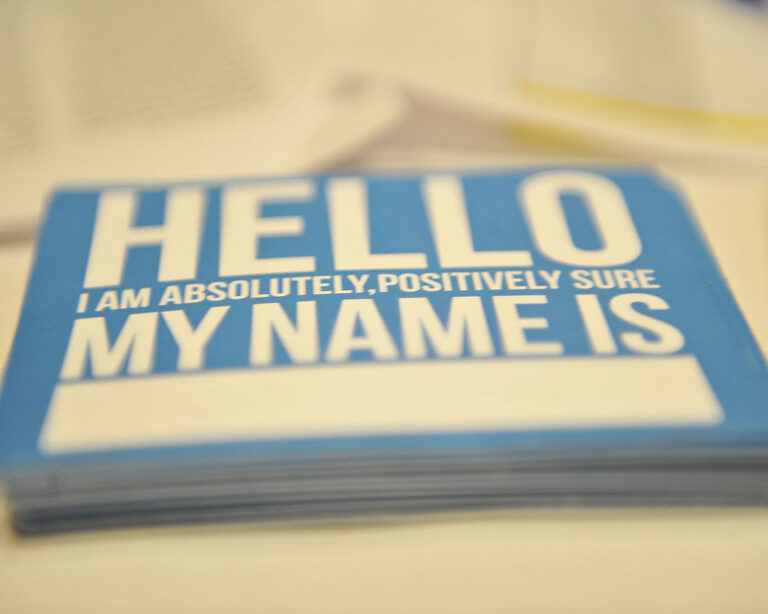
(Photo by Jag Gundu/Getty Images)
William Shakespeare highlighted the importance of a name when he wrote the play Romeo and Juliet. The relationship between the two young lovers was forbidden based on their last names, which represented feuding families. Seems crazy, but names carry with them special meanings that dictate both how people are perceived and how they perceive themselves. So, what if you don’t like the name that was given to you at birth? Well, every year on April 9, you can try a new name out for size. That’s right, April 9 is National Name Yourself Day. It is the chance to try on a new moniker to see if it fits you and your desired vision of yourself.
The History of Names and National Name Yourself Day
As history progressed, names took on more importance, though it still remains unknown when the use of names began. The earliest recorded names date back more than 5,000 years to ancient Egypt, but it seems some form of names must have been used long before that.
Below is a timeline for names and their evolution.
Prehistoric and Ancient Times – Names in prehistoric times were often descriptive, reflecting traits, occupations, or divine beings. Examples include Sokrates (or Socrates, as it’s more commonly spelled today), which means “whole strength,” and Gaios (which became Gaius), meaning “rejoice.”
Medieval Times – The rise of Christianity changed the ways in which people were named. Calling babies after saints (Luke, Mary, Paul, James) became traditional. When writing became more common, names became more standardized and consistent. Often, the names from this period were derived from honored gods, heroes, or historical figures, or they reflected social status, lineage, or religion. Popular names from this era include Charlotte (meaning “free man”), William (a classic name that means “resolute protector”), and Geoffrey (meaning “peaceful traveler”).
 Renaissance and Early Modern Times – Literacy, or the ability to read, became more common during these times. It was no longer a rare thing to see people naming their children after authors, philosophers, and scientists. Traditional religious names continued to hold their ground during this era as well. Leonardo (as in famous artist and inventor, Leonardo Davinci) was a popular name during this time, as was Raphael, a famous artist during that time.
18th–20th Centuries – After the French Revolution, nearly any name was accepted. But when many names turned out to be controversial in nature, laws changed to disallow names that were politically driven. The United States continued with religious names until the early 1900s, when traditional names such as James, William, Elizabeth, and John took dominance. Celebrities and cultural movements also had an influence on name choices during this time.
21st Century to Modern Times – As time went on, names began to reflect multicultural influences, especially by pop culture. Antique names saw a rise in the early 2000s, and then people moved on to names that exhibited diversity and individuality. Now, names tend to cycle in popularity. Common names in the 21st century include Noah, Sophia, Elijah, and Olivia, as well as gender-neutral names like Kit, Rio, and Alora. Cultural and global influences led multicultural names like Nyra, Matheo, and Ander to rise in popularity, as well.
On April 9, 2026, every person has the opportunity to change their name for the day. Whether one’s chosen name is religious, cultural, or based on ancient deities or modern-day superstars, National Name Yourself Day has no rules.
The annual holiday made its debut on April 9, 2015. The internet helped to make the day official when a large number of online users recognized it. It became a fun way for people to express themselves and temporarily change something that was assigned to them at birth.
Ways to Celebrate
If you decide to join the celebrations of the holiday, here are a few ways you can do so. One is to change your name at work. Simply ask your co-workers to call you by a different name for the day to break the monotony of everyday work life.
Another way is to choose the name of an actor or character that you like. Pretending for one day to be someone else may introduce new experiences and possibilities in an otherwise routine life.
A third way is to assign a different name to a close colleague or good friend and vice versa. It would be interesting to see what name your friends would give to you, perhaps providing insight into how they perceive you.
Changing your name for a day may seem silly, but it is a chance at self-reinvention and experimentation. The idea is to use the day to have some fun and learn new things about both yourself and your closest friends, family members, and colleagues.

- National Name Yourself Day is on April 9 every year.
- The holiday became widely recognized when it went viral online in 2015.
- Changing your or someone else’s name for a day is a fun and harmless way to learn new things about yourself and others.