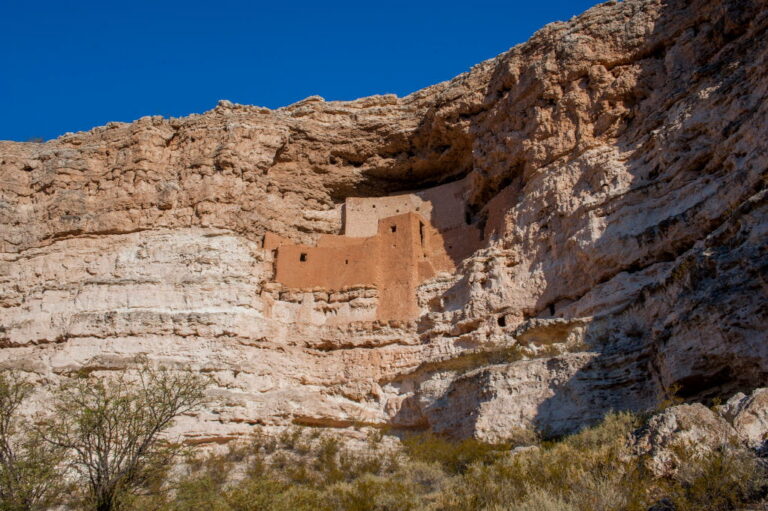
Consider the modern apartment complex. Many different families live in a variety of residential units in one much larger structure. Believe it or not, that is far from a modern concept. Long before Europeans ever arrived on the North American… Read More
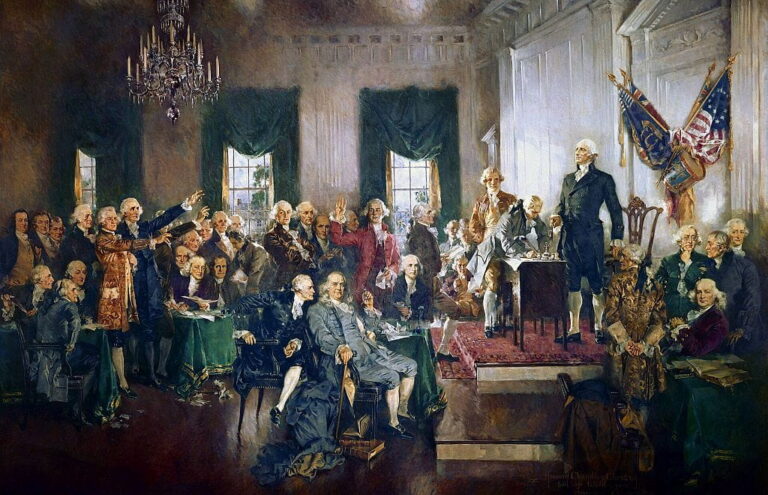
Have you ever heard the United States referred to as a democracy? Well, that’s only partly right. There are democratic elements to our government, that’s for sure – but it’s more properly considered a republic. In fact, it’s formally classified… Read More
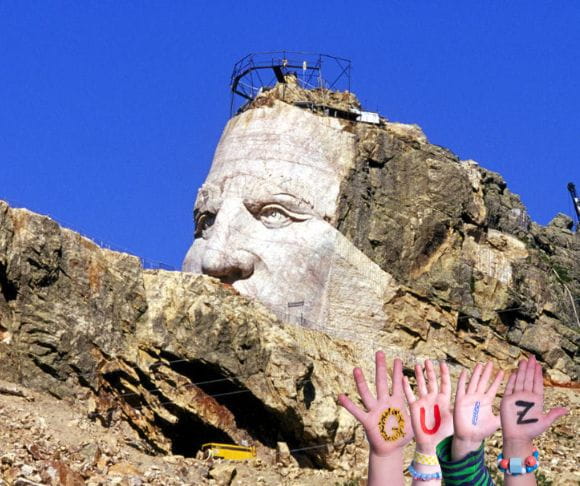
Both the United States and the Confederacy have their heroes memorialized in granite at Mount Rushmore and Stone Mountain, respectively. But there’s an even bigger monument being built in the Black Hills of South Dakota to honor a Native American… Read More
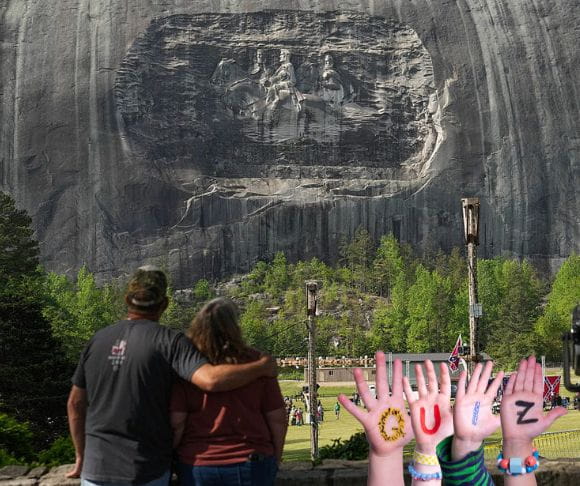
When it comes to massive granite carvings, Mount Rushmore gets all the attention – but it’s certainly not the only one. In fact, the largest bas-relief sculpture in the world sits just outside Atlanta, Georgia. Stone Mountain is bigger and… Read More
Have you ever wondered how a big granite mountain in South Dakota became one of the world’s most recognizable memorials? Mount Rushmore, located in the Black Hills, is more than just a popular tourist attraction; it’s a feat of 20th-century… Read More
When you hear the word Arabic, or something spoken in that language, you likely think of Middle Eastern deserts or Arab nations. That isn’t wrong – but it isn’t the whole picture. From coffee to cotton, algorithms to algebra, to… Read More
If you’ve been keeping up with Liberty Nation Gen Z’s language series, you probably already know English is a Germanic language, not a true child of Latin. But did you know that speakers of Old English wrote in runes rather… Read More
There’s an old saying: “All roads lead to Rome.” Today it’s figurative, meaning that there are many ways to achieve the same goal. In AD 1175, French theologian and poet Alain de Lille wrote: “Mille viae ducunt homines per saecula… Read More
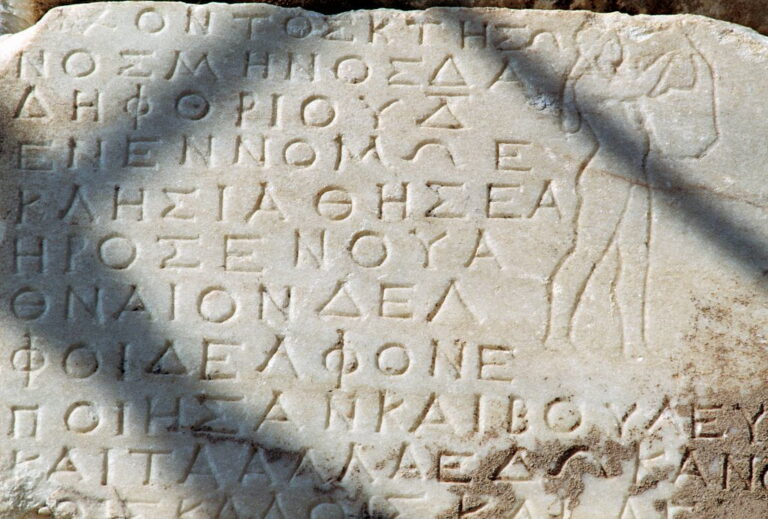
Languages such as Sumerian, Aramaic, and Egyptian allowed civilizations to grow into kingdoms and even empires. Greek did that and more: It helped formalize thinking itself, becoming the foundation for how ideas are built, tested, and recorded for posterity. In… Read More
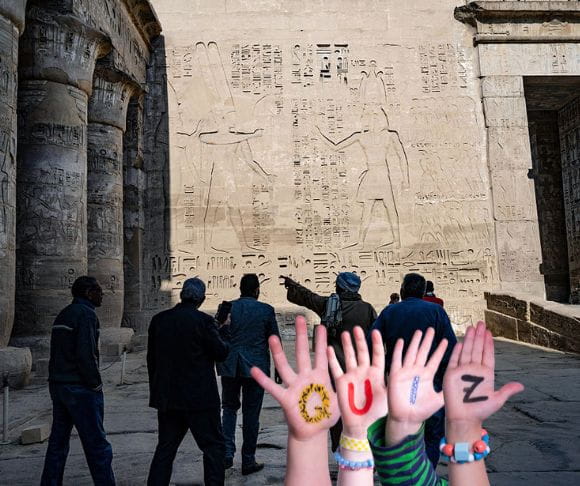
Sumerian and Cuneiform may have come first – by about 300 years – but if there’s an ancient language and writing system everyone has heard of, it’s Egyptian and Hieroglyphs. In fact, one could call Egyptian “the other first language.”… Read More
Whether it’s the every-four-year presidential election or the so-called “midterms” that fall every two years between them, or even odd-year elections that barely make the news, the general election in November is usually the one most of the nation pays… Read More
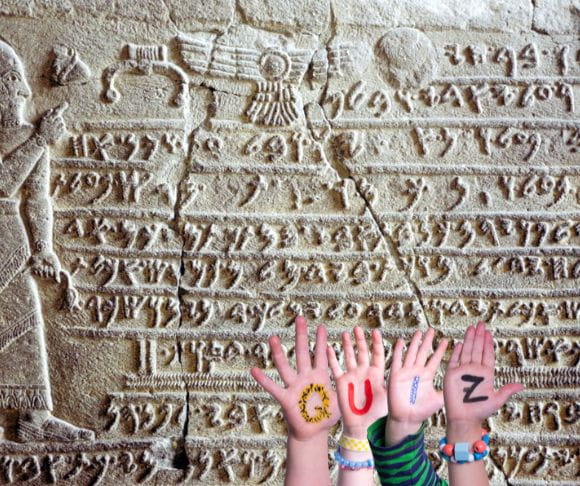
If Sumerian was the language of the first civilizations and Akkadian of the first empire, then Aramaic can best be described as the first worldwide language. It may not get quite the same amount of attention as Greek or Latin… Read More