The 2026 FIFA World Cup – An Old Event With Many Firsts
New rules and controversies making it a unique challenge.
By: Kirsten Brooker | June 18, 2026 | 722 Words
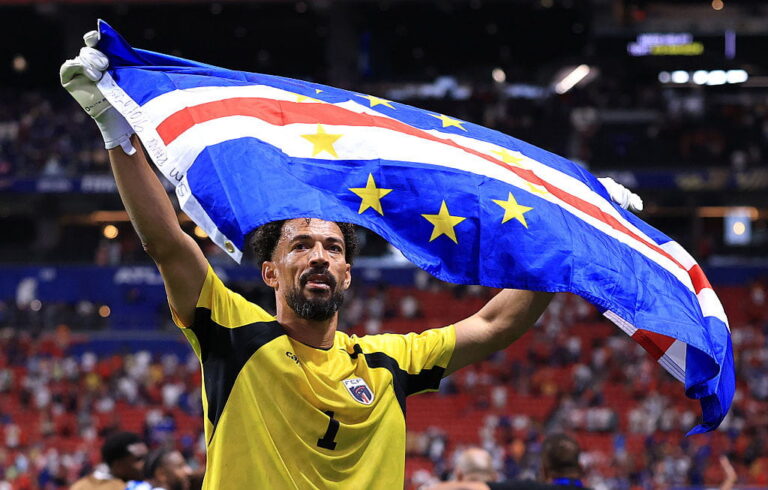
(Photo by Buda Mendes/Getty Images)
For the 23rd time in its history, the FIFA World Cup is in play. The 2026 event has introduced several first-time happenings and has drawn controversy from some of the tournament’s preparations. Played every four years, the FIFA World Cup is regarded globally as the most watched sporting event, with billions of viewers from all over the world. The number of viewers who tune in to watch the great soccer games surpasses that of the Super Bowl and even the Summer Olympics.
What Is the World Cup?
The World Cup is an international men’s soccer tournament whose contestants are from countries around the world that are members of the Fédération Internationale de Football Association (FIFA). The first FIFA World Cup took place in 1930 in Uruguay and has gradually gained immense popularity. More than 6 billion people will tune in to watch the games, and an equal number of people will attend in person.
What’s New in the 2026 FIFA World Cup?
This year’s event played out differently from in years past. This is the largest World Cup in the tournament’s history. The number of teams permitted to participate increased from 32 to 48. This allowed more athletes, fans, countries, and cultures a chance to enjoy soccer’s biggest stage. The expansion also increased the number of games from 64 to 104. It is also the first to be hosted by three nations: the United States, Canada, and Mexico. The last to be hosted by multiple nations was the 2002 FIFA World Cup, which Japan and South Korea co-hosted.
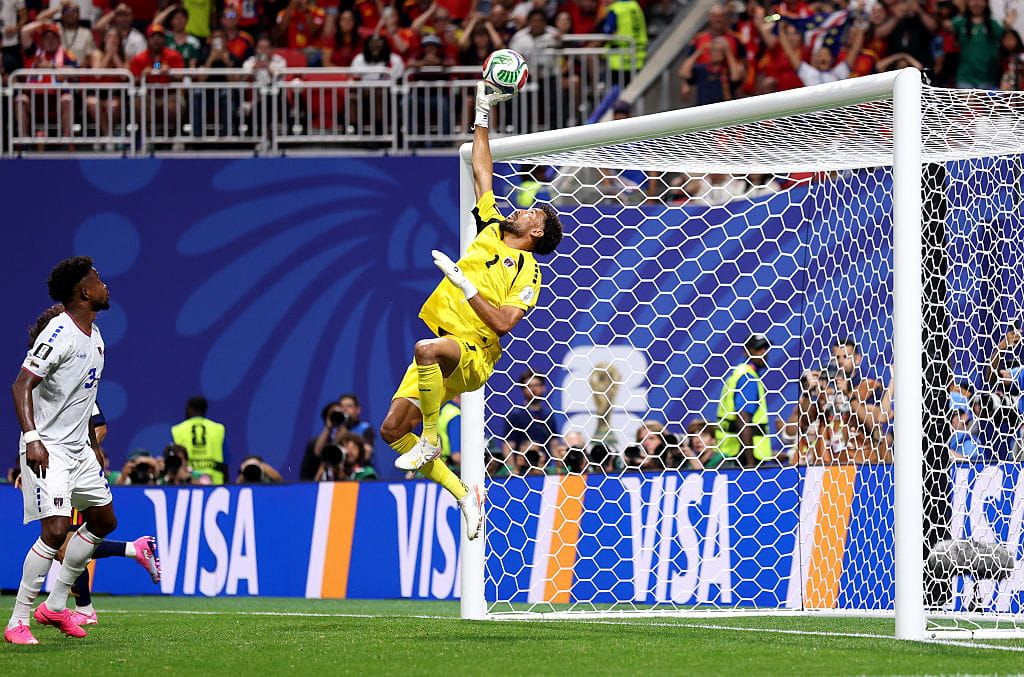
(Photo by Maddie Meyer – FIFA/FIFA via Getty Images)
Several new rules have been enacted for 2026, many meant to reduce wasted time throughout the tournament. One change is the number of seconds a player has to exit the field during a substitution, allowing 10 seconds to leave the pitch (field). Failure to do so results in a one-minute wait before being able to enter the match. This rule was previously unregulated, basically allowing players unlimited time (within reason, of course) to enter and exit the playing field.
Other rule changes include five-second restarts, regulations regarding medical treatment, an expanded video assistance referee (VAR) system, and mouth-covering red cards, which prohibit players from confrontational or insulting behavior hidden behind a player’s arm or hand to prevent lip-reading.
Some of the changes have sparked controversy, primarily due to America’s immigration and visa policies that will affect the teams and their fans as they attempt to enter the country. There are also concerns regarding Iran’s participation amid the Iran war that is still taking place. Additionally, dynamic ticket pricing, a selling strategy that changes the price of tickets based on a variety of factors, has raised concerns. For the sellers, this strategy maximizes revenue and deters scalpers, among other benefits. However, for the buyers, this concept is not well-received. Factors including fan alienation and lack of transparency have brought opposition to the technique.
Coming to America
This is the first men’s World Cup in North America since 1994, when the United States served as a solo host. Most of this year’s games are being held across 11 US cities, including New York/New Jersey, Los Angeles, San Francisco, Seattle, Dallas, Houston, Kansas City, Miami, Atlanta, Philadelphia, and Boston.
A total of 78 matches are being held in the United States, beating the previous record of games held in a single country. This is yet another effect of the increased number of teams and matches allowed in the tournament. The final game is scheduled to be played at the MetLife Stadium in East Rutherford, NJ, on Sunday, July 19.
The 2026 FIFA World Cup is making history in more ways than one, from its larger format to its three-country hosting plan. While some changes have sparked debate, the tournament remains one of the biggest and most influential sporting events in the world. As the games continue, fans everywhere are watching to see how these firsts shape the future of the World Cup.

- The World Cup is a soccer tournament that includes teams from all over the world.
- The 23rd FIFA World Cup in 2026 introduces several changes, including expansion of teams and games, as well as a new set of rules.
- The United States will host 78 of the 104 matches in 11 cities across the nation.