Thanksgiving Myths Debunked
Here’s a big helping of the truth.
By: Elizabeth Lawrence | November 26, 2025 | 759 Words
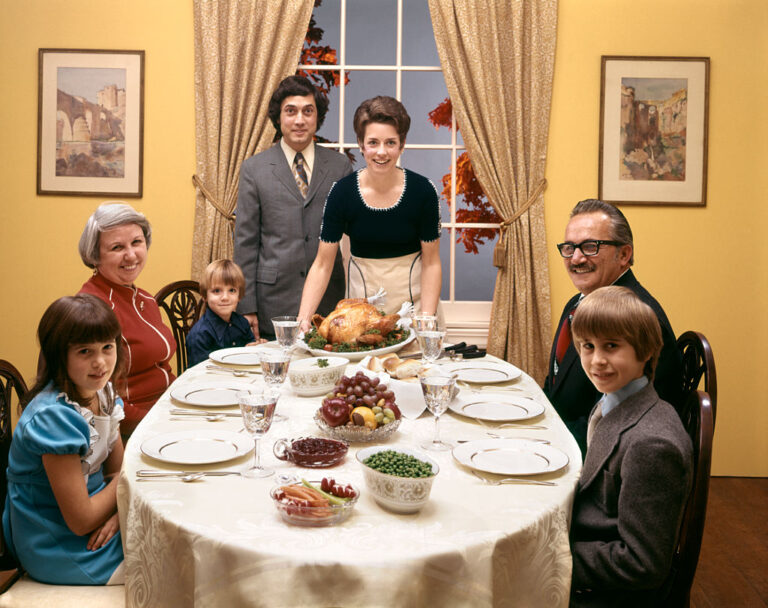
(Photo by H. Armstrong Roberts/ClassicStock/Getty Images)
In the fall of 1621, 52 English settlers and at least 90 Wampanoag people gathered in Plymouth, MA, for a three-day harvest celebration. What we now call the “First Thanksgiving” was a moment of gratitude that they had stored enough food to survive the coming winter.
The feast itself looked very different from the Thanksgiving most Americans experience today, and much of what is known about the beloved holiday comes from popular myths. Here are some of the biggest misconceptions surrounding Thanksgiving.
Myth 1: The First Thanksgiving
Turkey may be the star of most Thanksgiving tables today, but that wasn’t the case in 1621. The Wampanoag people brought deer to the feast, so it’s much more likely that venison was the main course. The English settlers likely contributed ducks and geese, which were plentiful” in the fall, writer Andrew Beahrs explained to NPR. “Governor William Bradford does mention taking turkeys that year, but not in connection to the harvest celebration,” Beahrs noted.
Cranberries, at least as modern Americans know them, weren’t part of the menu, either. If berries were served, they may have been raw or “in boiled or ash roasted corn cakes,” according to Beahrs. Pumpkins could have been included in the feast, but not in the form of a pie.
The Wampanoags likely brought “sobaheg,” described as a stewed mix of corn, roots, beans, squash, and various meats. The first Thanksgiving may have included other local foods, such as clams, lobsters, cod, eels, onions, turnips, and spinach.
It’s unclear exactly when turkey became the symbolic centerpiece of Thanksgiving, but Beahrs said it probably began in the 19th century thanks in large part to magazine editor Sarah Josepha Hale, who glamorized the birds in her 1827 novel, Northwood: “The roasted turkey took precedence on this occasion, being placed at the head of the table; and well did it become its lordly station, sending forth the rich odor of its savory stuffing, and finely covered with the froth of its basting.”
Myth 2: Pilgrim Threads
Every year, elementary school classrooms across America re-enact the first Thanksgiving, complete with children dressed as Pilgrims. The outfit is instantly recognizable: a tall black hat, a black shirt with a big white collar, short pants with stockings, and black shoes. Three golden buckles adorning the hat, waist, and shoes complete the look. But is that really how they dressed?
Yes and no. Pilgrim men did wear breeches with stockings, but they came in a variety of colors, including green, blue, and violet. Men also typically wore a shirt, a doublet, and a broad-brimmed hat. Women, on the other hand, usually wore headwear, a smock, a waistcoat, an apron, and a skirt. While there were no buckles on their feet, both men and women did wear simple latchet shoes.
Myth 3: Turkey Naps
We’ve all heard it: After a delicious Thanksgiving feast, someone inevitably blames the drowsiness on the turkey. With nearly 60% of Americans taking a post-meal nap, according to St. Vincent’s Medical Center, it seems like a reasonable assumption. But is turkey really at fault?
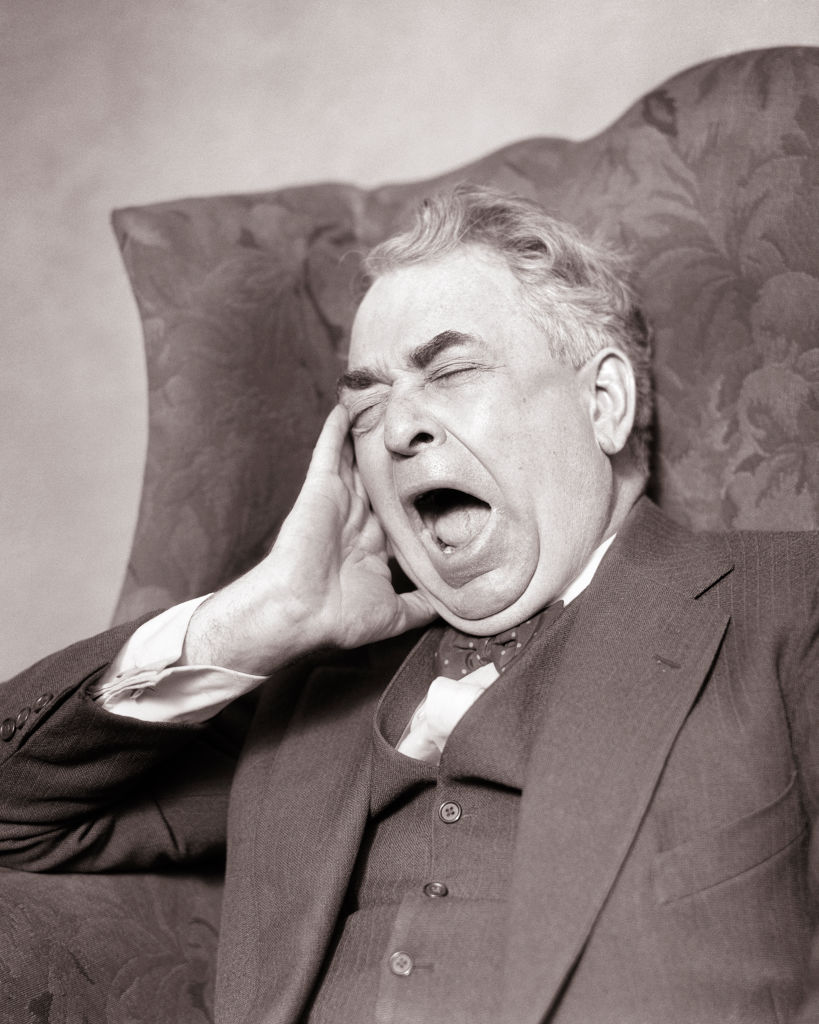
(Photo by H. Armstrong Roberts/ClassicStock/Getty Images)
Tryptophan, an amino acid found in turkey, has “been linked to drowsiness and can even be taken as a supplement to improve sleep,” said Andrew Wong, MD. The problem? There isn’t enough tryptophan in turkey to make a person noticeably tired.
“Just because a food is considered ‘high’ in tryptophan doesn’t mean that you’ll actually consume enough to feel its effects. For example, you would have to eat roughly 20 servings of turkey to ingest as much tryptophan as one supplement would contain,” Dr. Wong added.
What’s far more likely to cause the post-Thanksgiving crash is the mountain of carbohydrates on the table. “When you eat carbs, they break down into simple sugars which cause your blood sugar level to increase quickly. That causes your body to release insulin to regulate your blood sugar,” he continued.
In fact, protein and healthy fats can help avoid a blood-sugar spike, meaning turkey is more likely to prevent a crash than stimulate one.
Thanksgiving may have its fair share of myths, but the heart of the holiday remains the same whether it’s 1621 or 2025: It’s a time to be warm, grateful, and hopeful.

- Turkey wasn’t featured at the first Thanksgiving – that tradition came much later.
- Pilgrims dressed in simple clothing, but they often featured bright colors.
- Tryptophan can make you drowsy, but you’d have to eat 20 servings of turkey to get enough!