Mother’s Day Past and Present
Why are modern moms more stressed than their descendants?
By: Elizabeth Lawrence | May 10, 2026 | 832 Words
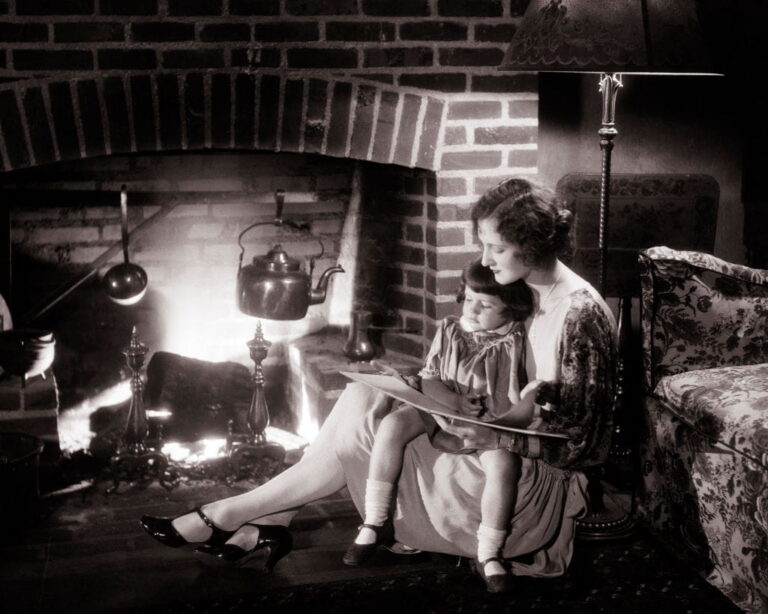
(Photo by H. Armstrong Roberts/ClassicStock/Getty Images)
When Mother’s Day first became a holiday in early 20th-century America, mothers – dressed in tight corsets, long skirts, and bulky shoes – spent far less time focusing on their children than modern mothers do. It wasn’t necessarily because they wanted to spend less time mothering; rather, most families needed the mother to work. “Women took in boarders, did sewing at home, cleaning, and all sorts of jobs that weren’t counted as jobs on the Census but were time-consuming,” said historian Stephanie Coontz, author of Marriage: A History.
Of course, modern families are not so different, but are modern moms feeling the stresses of motherhood more than their ancestors did? It appears so, and two major differences between the past and the present may explain why: changes in child-rearing standards and advances in technology.
Mother’s Day Advice for Moms
Mothers who lived more than a century ago sought advice on how to raise good children just as many modern moms do – but the information they received was dramatically different. Pediatrician Luther Emmett Holt, who helped shape child-rearing practices at the time, recommended mothers resist picking up babies when they cry. He also advised against breastfeeding. Another 20th-century medical professional, psychologist Dr. J.B. Watson, even said mothers should be careful not to show their babies too much affection: “When you are tempted to pet your child, remember that mother love is a dangerous instrument.”
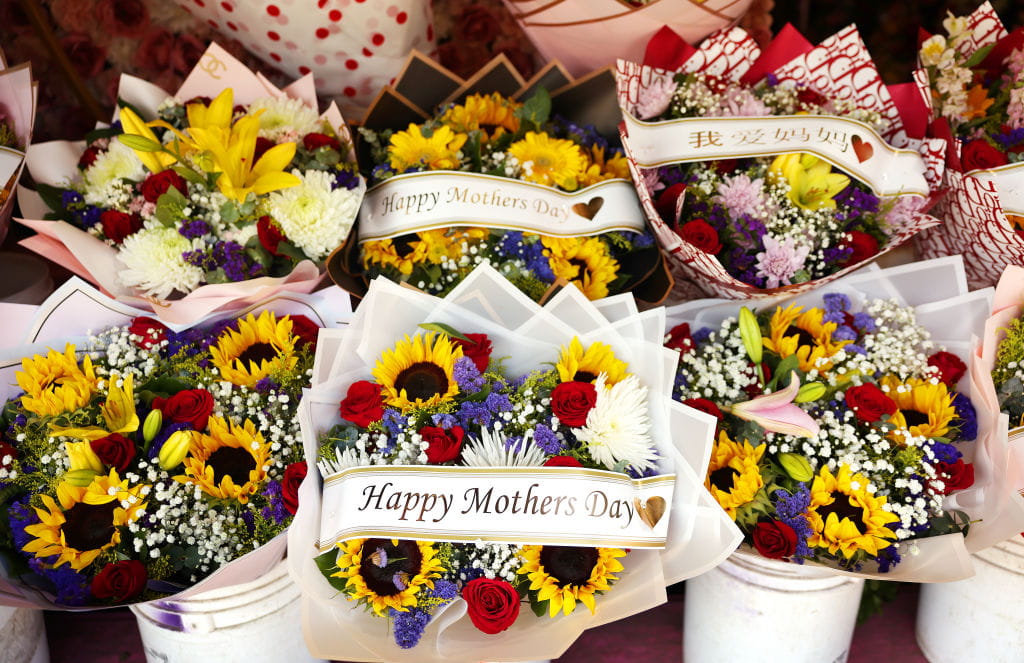
(Christina House / Los Angeles Times via Getty Images)
Today’s advice couldn’t be more different. For one, researchers found that spoiling an infant with affection is impossible. “What parents do in those early months and years are really affecting the way the brain is going to grow the rest of their lives, so lots of holding, touching and rocking, that is what babies expect,” said University of Notre Dame Department of Psychology Professor Darcia Narvaez.
Narvaez explained that babies “grow better” when parents strive to keep them calm as their internal systems develop. “If you let them cry a lot, those systems are going to be easily triggered into stress. We can see that in adulthood, that people that are not cared for well tend to be more stress reactive and they have a hard time self-calming.”
Experts at Cleveland Clinic also agree that breastfeeding has numerous benefits: It helps the baby build a strong immune system, provides access to “a unique and specific formula of vitamins, minerals and antioxidants,” and lowers the mother’s risk of various diseases, including breast cancer, ovarian cancer, high blood pressure, and Type 2 diabetes. Knowing this information is, of course, a good thing, but it also places more pressure on modern moms than mothers in the past faced.
Technological Advances
From food prep to laundry, women on average do more indoor chores than men, according to Bureau of Labor Statistics data. Housework before washing machines, dishwashers, vacuums, indoor plumbing, and similar inventions was arduous, but mothers today typically have more tasks to balance than those of the early 20th century. On top of the normal to-do list – such as feeding, bathing, and clothing – modern mothers are heavily invested in their children’s mental and emotional development. As technology made certain tasks easier, other demanding standards filled the gap.
According to the National Institutes of Health (NIH), parents are “spending more time engaging in primary child care than before,” including “physical care, education-related activities, reading to/with children, and playing/doing hobbies with children, among other activities.”
The NIH noted that the internet and social media in particular have added a new level of stress to motherhood: “A majority of parents of adolescents say they are somewhat, very, or extremely worried that their child’s use of social media could lead to problems with anxiety or depression (53%), lower self-esteem (54%), being harassed or bullied by others (54%), feeling pressured to act a certain way (59%), and exposure to explicit content (71%).”
Despite the stresses of modern motherhood, data show that moms – especially those who are married – report higher happiness levels than women who don’t have children. Plus, individuals “report higher levels of meaningfulness during activities with children,” including mundane tasks such as household chores, according to an Institute for Family Studies (IFS) analysis of the American Time Use Survey. “Sure, the activities measured here don’t include late-night tantrums during diaper changes or messes around the house, but the data point to a reality that is sadly becoming lost to many single and childless young adults: meaning and happiness are found in difficulty,” IFS reported. While moms’ stress levels have changed over the past century, one part of motherhood has stood the test of time: the belief that children are a blessing.

- Mothers of the early 20th century spent less time mothering their children than modern mothers do.
- Two factors contribute to the stress experienced by modern moms: changing child-rearing standards and technological advances.
- Despite the stress of motherhood, moms report higher happiness levels than childless women.