Impalas – Africa’s Famous Safari Animals
These ungulates are known for their speed and grace.
By: Kirsten Brooker | June 11, 2026 | 746 Words
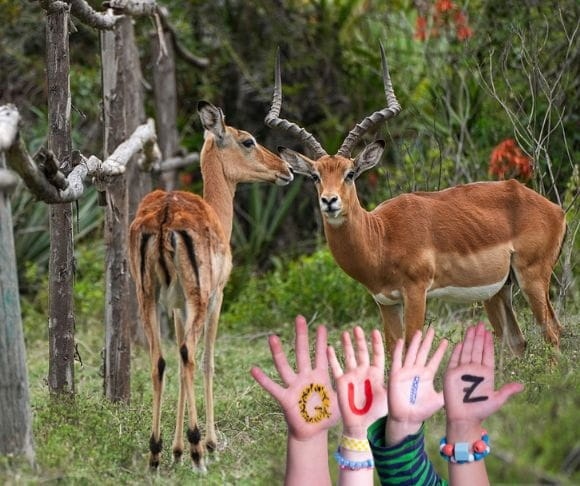
(Photo by Li Yahui/Xinhua via Getty Images)
Known for their speed and grace, impalas were the inspiration for a line of vehicles made by Chevrolet, aptly named the Chevrolet Impala. They live across eastern and southern Africa and contribute to tourism, food, and sport hunting in the area. They are the continent’s most popular safari animals. Extremely quick and agile, they are known for their ability to escape dangerous situations. With a top running speed of about 37 mph, it is no wonder they are difficult prey to take down.
Africa’s Graceful Impalas
Impalas are easy to recognize due to their reddish-brown coat with contrasting black marks, remarkable leaping ability, and twisted ribbed horns. Living in a variety of habitats, including woodlands, savannas, and floodplains of eastern and southern Africa, they are a common sight, gathering in places that are near a water source and offer an abundance of food. They are primarily grazers but will make do with whatever is available. They have been known to feed on leaves, shoots, fruits, and flowers, though they eat only the most nutritious part of the plant. Much of their water intake comes from the food they eat, though they will still drink from streams, rivers, lakes, and water holes when available.
Impalas are medium-sized ungulates, with females being slightly smaller than males, which stand approximately 2 feet 9 inches and weigh around 142 pounds. Females stand around 2 feet 7 inches and weigh about 100 pounds. The animals have bushy white tails that feature a black strip running down the middle. Unlike females, males have horns that protrude from their heads and vary in size, depending on the species. Horns protect their heads and are useful tools when fighting other animals. An impala’s short fur emphasizes the sleek nature of the animal and its ability to run, leap, and change directions quickly.
Pronking, or stiff-legged bounding, is a common behavior in this mammal. Impalas are common prey for lions, leopards, cheetahs, wild dogs, crocodiles, and hyenas. Their agility allows them to escape any of these carnivorous predators, with their ability to run at speeds up to 37 mph and to jump as high as 9 feet in the air and up to an incredible 32 feet in distance. For those that avoid a predatory attack, a lifespan of 13 years in the wild is expected. Those in captivity can live as long as 17 years.
Reproduction and Social Behavior
Impalas live in one of three social groups, herds made up of territorial males, and of bachelor impalas, and of females. Territorial males protect a certain area by marking the boundaries with their urine and feces to ward off visitors. They build harems, or groups of females and their young, within the marked territory. Bachelor herds are smaller, with only around 30 members. The males do not graze or stay too close to one another until they choose to spar. Female herds vary in size and live in a designated area that covers between 200 and 440 acres. Females do not typically maintain a close relationship with their young. Once weaned, the baby impalas venture off to find another herd.
 Impala breeding season (also called rut) happens once a year, typically beginning in May and lasting around three weeks. A male will put on a show for a female by flicking his tongue and vigorously nodding. Once she is impregnated, the female will have a gestation period between six and seven months. She will give birth to one calf and immediately hide the baby to keep it safe for the first few weeks. The mother will then allow the calf into the herd with the other females. After about four to six months, a male will be forced out of the group, while a female may be permitted to stick around.
Impala populations are classified as least concern, meaning there is little fear of this animal becoming extinct any time soon. However, the black-faced impala species is of more concern, as there are only approximately 1,000 remaining in the wild.
Impalas are remarkable African antelopes known for their speed, agility, and graceful movements. They thrive in woodlands, savannas, and floodplains, where their keen senses and powerful leaps help them avoid predators. Living in distinct social groups and following seasonal breeding patterns, impalas play an important role in their ecosystems.

- Impalas are fast, agile antelopes with strong jumping abilities that help them escape predators.
- Impalas live in woodlands, savannas, and floodplains across eastern and southern Africa, usually near water and food sources.
- Impalas live in distinct social groups and breed seasonally.