Flock Cameras Have Some Citizens Outraged
Do the cameras violate the Fourth Amendment?
By: Kirsten Brooker | August 19, 2026 | 650 Words
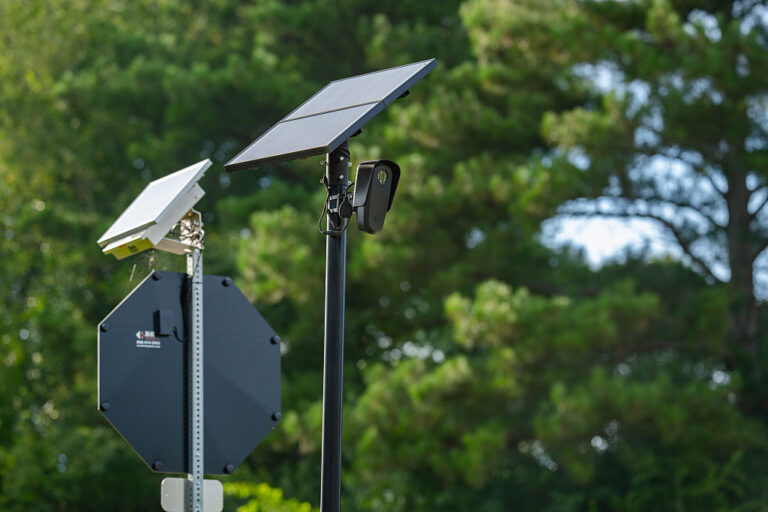
(Photo by Kevin D. Liles for The Washington Post via Getty Images)
Surveillance cameras are not new to the American landscape, but how much is too much? Flock cameras, designed to snap a photo of a car’s license plate as it drives by, seem to be pushing the public’s limit of acceptable surveillance. The sheer number placed around cities allows the police and others to track people’s movements, even non-criminals, and provide play-by-plays of their daily lives. Fourth Amendment and privacy rights concerns have surfaced, questioning if it is constitutional to keep these cameras in place. The Fourth Amendment protects people from unreasonable searches and seizures by the government.
Good Intentions Sometimes Lead to Greater Issues
Flock cameras, also called automated license plate readers (ALPRs), were initially installed with good intentions. After all, they are great crime-solving tools for police officers, and they provide peace of mind to businesses and neighborhoods where the cameras are present. Powered by artificial intelligence, these cameras record photos of passing cars, including license plates and a vehicle’s color, make, and model. The high-resolution photos are so crisp and clear that even bumper stickers, dents, and other damage can be captured. Sounds great, right? Unfortunately, it might be too much of a good thing, especially if it infringes on privacy rights in America.
The rather invasive quality of these cameras is coming to light, which is bothering those who live honest, crime-free lives and those concerned about the sharing of data collected, how long the information is stored, and who has access to it. Many communities are re-evaluating or even canceling their contracts due to civil liberty concerns.
Misuse Is Already in the Books
One major problem involving the Flock cameras is the potential for misuse. Dozens of cases involving police officers abusing the surveillance systems for personal reasons have become public. For example, a policeman in Milwaukee recently resigned after allegedly using the cameras to track his romantic partner. Other officers across the country are being accused of “Flock stalking.”
 Michael Soyfer, an Institute for Justice attorney, stated, “The fundamental problem with these systems is that they place private information about people’s movements over time in the hands of every officer. Without the constitutional safeguard of a warrant requirement, that predictably allows officers to abuse their access to these systems for things like stalking romantic partners.”
The CEO of Flock, Garrett Langley, has responded to the misuse of their equipment with an apology and a promise to improve the security and functionality of the tool. One change is the amount of time the data are saved in the system, from 30 days to just seven. Additionally, a special case code will be required before anyone can access the information stored in the program. But is this enough?
The Backlash to Flock Cameras
There are approximately 120,000 Flock cameras placed around the country, yet from canceling contracts with the company to physically destroying the cameras, city officials and HOA presidents are facing backlash. Jeffrey Sovern, from Virginia, has proudly admitted to destroying 13 cameras using vise grips. He now faces criminal charges, though a GoFundMe for his defense has been started. Some outraged by the new surveillance are cheering on those brave enough to take matters into their own hands.
In another attempt to derail this invasive surveillance, DeFlock, an open-source project that maps ALPRs across the United States, shows people exactly where the cameras are, allowing drivers to alter their routes to avoid being captured on camera.
All in all, people are not backing down. They will continue to fight for the rights we’ve earned as American citizens and those provided to us by our Founding Fathers and the US Constitution.

- Flock cameras can help solve crimes, but their reach raises privacy concerns.
- Stronger safeguards will be put into place after several cases of misuse, primarily by police officers.
- Public resistance is growing as frustrations regarding the lack of privacy become more intense.