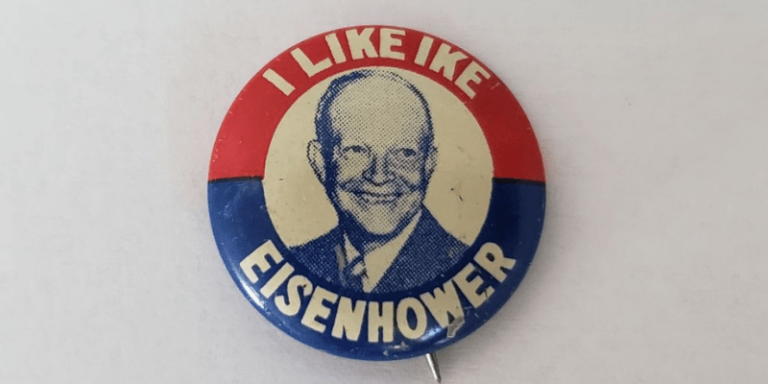
Dwight David Eisenhower (1890 – 1969) was the 34th president of the United States. Eisenhower had been a general during World War II and was one of the few who opposed using the atomic bomb at Hiroshima and Nagasaki. Early… Read More
Leonardo Fibonacci (1170-1240) may have been the most talented Western mathematician of the Middle Ages. He was born and raised in the Italian city-state Pisa. As a boy, he traveled the Mediterranean region with his father and brought back new… Read More
Whenever the intellectuals discuss the success of Western civilization and what inspired the most remarkable society in human history, the experts talk about ideas planted in ancient Greece and Rome and how the French, British, and Americans cultivated these thoughts… Read More
During the Medieval Warm Period, St. Thomas Aquinas (1225-1274) reintroduced the ancient Greek philosopher Aristotle into Europe after his ideas had been lost for centuries. Who Was Thomas Aquinas? Thomas Aquinas was an Italian who belonged to the Dominican order… Read More
Flag Day is here – the day Americans celebrate one of our nation’s most iconic symbols. The banner we have today has gone through many changes. The Earliest American Flags During the Revolutionary War, the colonists used several different banners…. Read More
After the cold spell of the Dark Ages and the Justinian plague, evidence suggests the climate in Europe warmed. This created what people now call the Medieval Warm Period (MWP), which some suggest lasted from about 950 to 1250. The… Read More
In the 1300s, the Italian scholar Petrarch came up with the term “dark ages” to describe European society between the fall of the Roman Empire and the rise of the Renaissance. He was comparing the “dark” centuries of society in… Read More
“Music begins when the possibilities of language end,” said Finnish composer Jean Sibelius. Ludwig van Beethoven, Wolfgang Amadeus Mozart, Franz Schubert, J.S. Bach … the list of titans of classical music could fill an entire concert hall. While many still… Read More
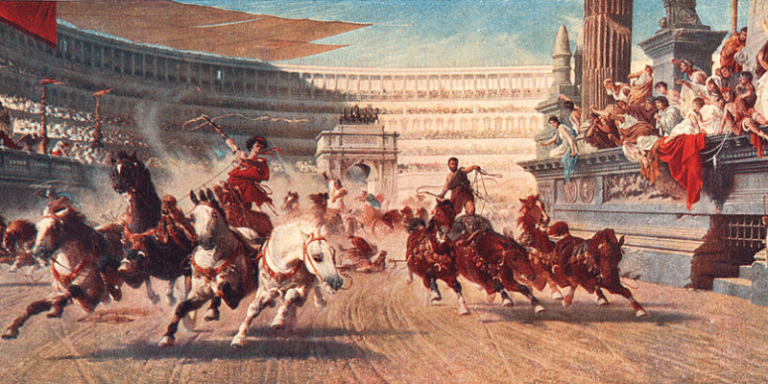
As a republic, Rome was very successful. In 27 B.C., the republic became an empire ruled by emperors. The empire lasted five centuries, but it eventually went through stagnation and decline. Finally, it collapsed in A.D. 476. The modern world… Read More
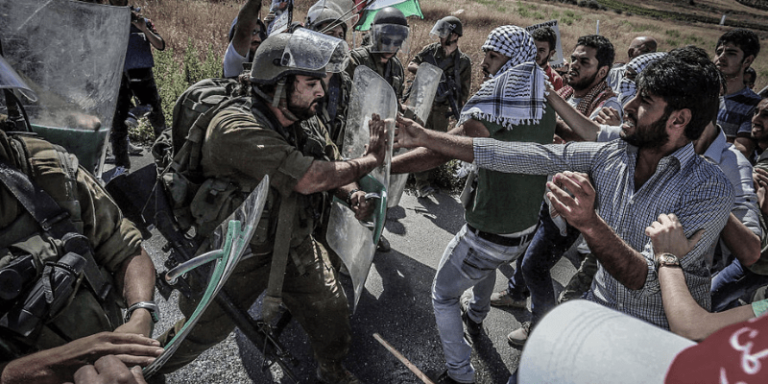
The fighting between Israel and Palestine has been going on since World War II, though the origins can be traced a little farther back. In 1917, the British took Palestine from the Ottoman Empire and declared a “national home for… Read More
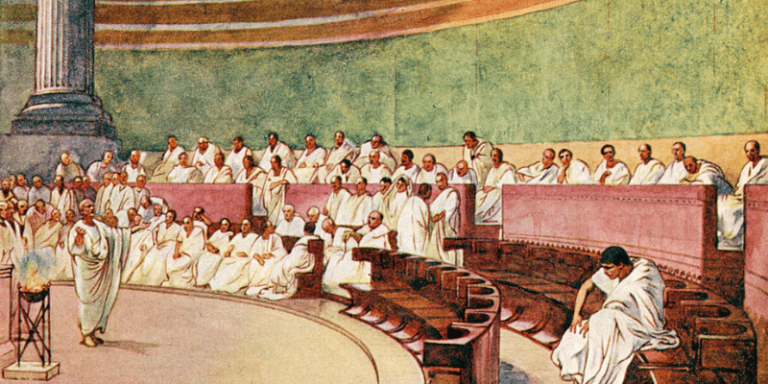
The ancient Greek city-states were very successful for several hundred years, but they were eventually conquered by a new power: Rome. The Romans had learned from the Greeks. They took the best of their systems and invented a hybrid called… Read More
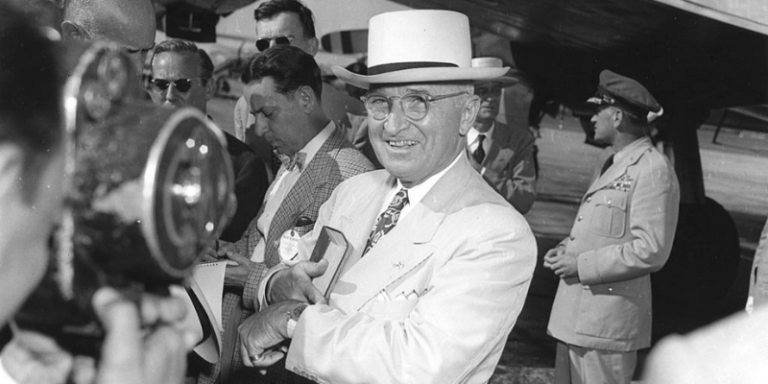
Harry S. Truman was the 33rd president of the United States. Working to put himself through college, he became the commander in chief during a difficult time in our nation’s history. Truman had been vice president to Franklin Roosevelt only… Read More