“You have the right to remain silent. Anything you say can, and will, be used against you in a court of law. You have the right to an attorney. If you cannot afford one, one will be appointed to you.”… Read More
In the early 1800s, the Chief Justice of the U.S. Supreme Court, John Marshall, wrote, “Between a balanced republic and a democracy, the difference is like that between order and chaos.” A lot of people are confused about what type of… Read More
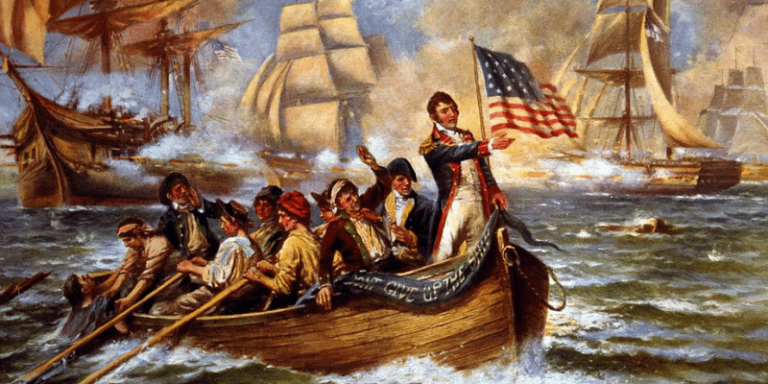
While the American Revolution won freedom from British rule officially, England continued to treat the United States as a colony. France and England were at war, and Britain wanted to use the United States against the French. Under President James… Read More
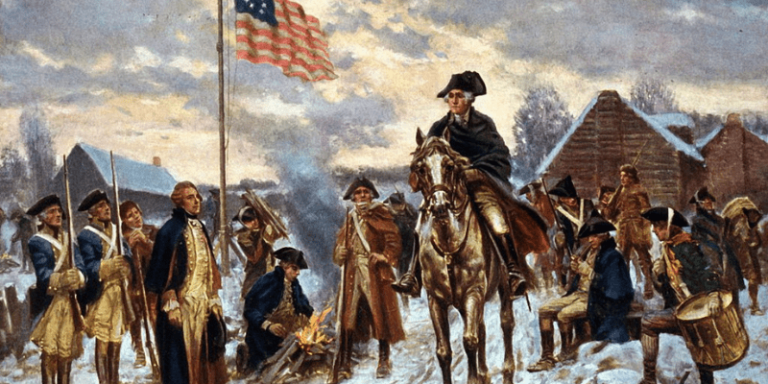
Long before there was a United States of America, explorers from Europe came to America and established colonies. By the 1700s, the area now known as the Eastern United States was controlled by 13 British colonies. For a long time,… Read More
After declaring independence from Britain in 1776 – and fighting a war to enforce it – the American colonists realized that their loose confederation of states wasn’t quite working as they had planned. So, after much debate and consideration, the… Read More
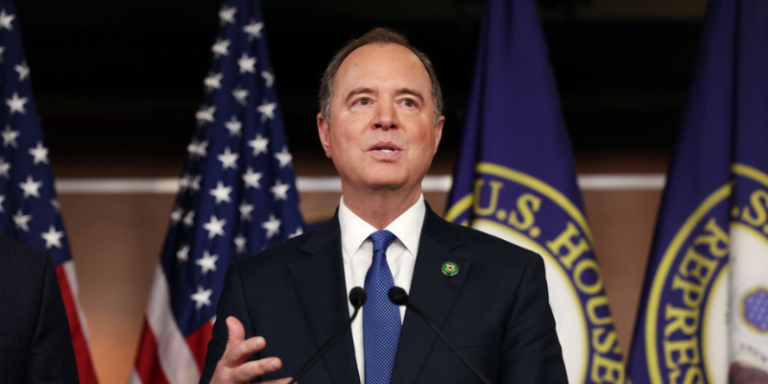
Recently, Republicans in the House of Representatives tried to censure Representative Adam Schiff (D-CA). To censure someone means to condemn or criticize them or their behavior. How can the government censure a member of congress or the president of the… Read More
What happens when a president is impeached? Although the term may sound common today, only three presidents in the history of the U.S. have been impeached, or in one case, resigned before the vote to impeach. Out of those presidents,… Read More
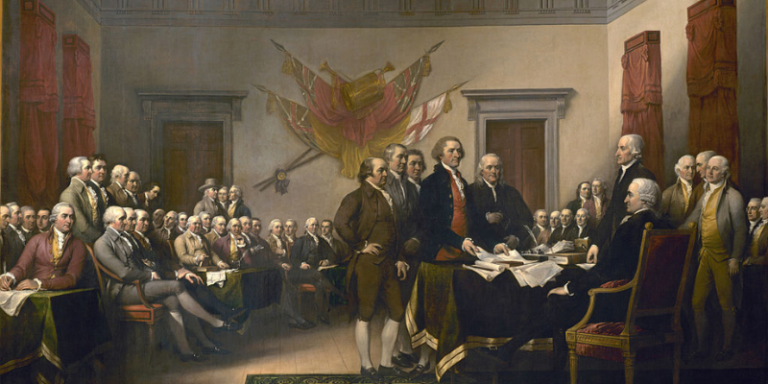
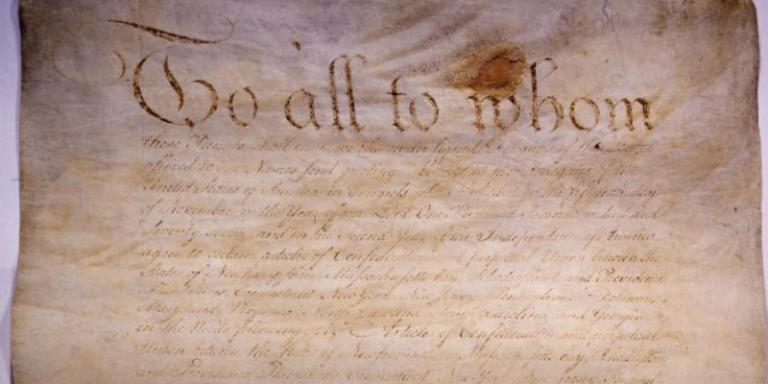
The first government established after the Declaration of Independence was quite a bit different from what we know today. Imagine a United States without a federal court system or an executive branch. No president, no vice president, and no Supreme… Read More